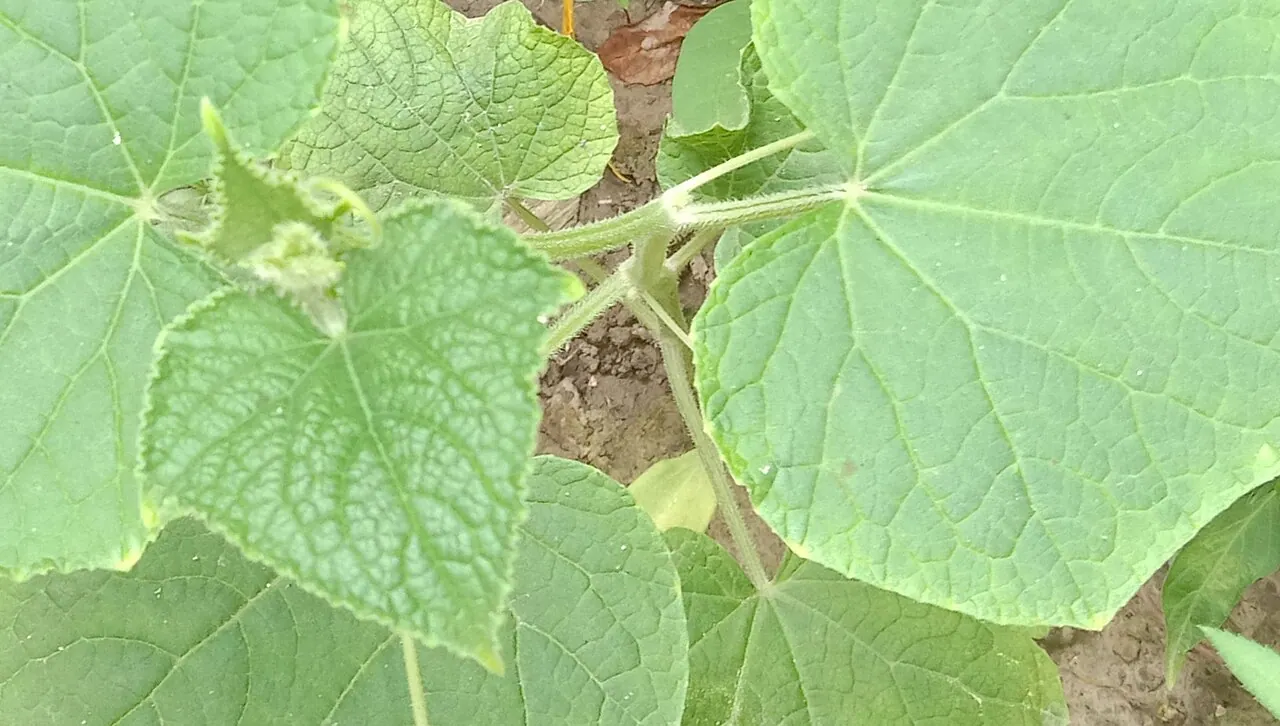
.jpg)
Cucumbers grow best when they have warmth, consistent moisture and enough space to scramble or climb. In Britain, the first decision is whether you're growing a greenhouse variety or one bred for outdoor conditions. Choose the wrong type and you'll have more trouble with temperature, flowers and fruit than necessary.
You can grow cucumbers in a greenhouse border, in a large patio container or in a sheltered outdoor bed. The plants are tender, so don't rush them outside in early spring. With the right variety, regular watering and a suitable support, even a fairly small growing space can produce fresh cucumbers through summer.
Choose greenhouse or outdoor cucumbers
Greenhouse cucumbers are selected for warmer, more protected conditions and often produce long, smooth fruits. Many modern greenhouse varieties produce mainly or entirely female flowers. Some are bred to develop fruit without pollination, which simplifies cultivation under glass.
Outdoor or ridge cucumbers are chosen for a sunny, sheltered position outside. They often produce shorter, more robust fruits and are better suited to the changing weather in a British summer.
Flower handling depends on the variety. Some older greenhouse cucumbers can produce bitter fruit when female flowers are pollinated, and their male flowers may need removing. Don't apply that instruction to every cucumber plant. Outdoor ridge cucumbers generally need pollination, so removing all male flowers can prevent a normal crop.
Check the seed packet carefully. It should say where the variety is intended to grow and whether it is all-female, requires pollination or has any special advice. The Royal Horticultural Society recommends choosing suitable named varieties rather than treating all cucumbers as interchangeable.
Small-fruited and mini cucumber varieties are particularly useful if you want regular pickings from a compact space. Gherkin types are another option when you intend to preserve the fruits.
When to sow cucumber seeds
Cucumbers need more warmth than peas or carrots. For a heated greenhouse, the RHS gives an early sowing window from mid-February to mid-March. For an unheated greenhouse, April is a more suitable starting point. Plants intended for outdoors can be sown indoors in late April.
Early sowing is not automatically better. A cucumber germinated in a warm living room in February may become a large, floppy plant before outdoor conditions are safe. Match the sowing date to where the plant will eventually grow.
For direct sowing outside, wait until late May or early June in suitable mild conditions. Cold, wet soil can prevent germination or cause seed damage. You may find raising seedlings in pots more reliable, particularly in northern England where spring weather can remain unsettled.
Seeds and seedlings are vulnerable to slugs, snails and cold nights. Indoor starting protects them through the earliest stage, but you'll still need to harden them off before putting them into an exposed garden.
How to sow cucumbers indoors
The RHS recommends using individual pots around 10cm across, filled with moist peat-free seed compost. Cucumber seedlings form a substantial root system fairly quickly, and a separate pot helps you transplant without unnecessary damage.
- Fill each pot with suitable compost and water it before sowing.
- Sow one seed per pot, about 1–2cm deep. The RHS suggests placing the seed on its side.
- Keep the pots in a warm propagator or another suitably warm location. Around 21°C is an appropriate germination temperature.
- Check moisture regularly, avoiding both a dry compost surface and a waterlogged pot.
- Once seedlings emerge, remove temporary covers and give them plenty of light.
- Grow them on until the weather and their size make transplanting sensible. Avoid allowing the roots to become a severely tangled mass.
- Harden off outdoor-bound plants gradually before planting them into their final positions.
A heated propagator can help if you have one, but it isn't a reason to buy expensive equipment just to raise two cucumber plants. A warm position and patient timing are more useful than forcing seeds very early.
Preparing the growing position
Cucumbers like a warm, sunny and reasonably sheltered position. A greenhouse or polytunnel provides more consistent warmth, while outdoor plants benefit from a spot protected from strong winds.
Prepare garden soil with well-rotted compost or manure before planting, allowing the ground to settle. A no-dig bed with a suitable organic mulch can work as well. Avoid putting delicate new plants into a cold, waterlogged border simply because you have prepared the area.
For a container, the RHS recommends a pot at least 30cm wide and deep with drainage holes, filled with peat-free multi-purpose compost. A larger, stable pot can make watering and training a vigorous plant more manageable.
Decide how you will support the plants before they become long and tangled. Cucumbers can trail across open ground, but growing vertically can save space and keeps developing fruits easier to see and pick.
When and how to plant cucumbers out
The RHS advises planting greenhouse cucumbers from late May in an unheated structure, once temperatures are consistently above roughly 12°C. Outdoor plants usually go out from early June, once local conditions are reliably warm enough and the risk of frost has passed.
Water the plant before removing it from its nursery pot. Handle the rootball gently and avoid tearing roots apart. Set it into prepared compost at about the original growing depth, firm gently and water thoroughly.
Leave enough space for air to circulate and foliage to expand. Install canes, netting or a suitable vertical support and guide the stems as they grow. The exact arrangement depends on whether you're using a greenhouse border, container or outdoor plot.
Freshly planted cucumbers may need protection from slugs and sudden cold spells. Inspect them daily at first. A seedling can be badly damaged before it has had time to establish.
Watering and feeding through summer
Cucumbers contain a great deal of water and their large leaves can lose moisture quickly in warm weather. The RHS stresses regular watering to keep soil or compost consistently moist. Containers may need especially frequent checks in hot conditions.
Water the root area thoroughly, then allow excess to drain. Don't let a container dry out severely and then compensate by leaving it submerged. A plant that repeatedly wilts may produce misshapen or bitter fruit, depending on the variety.
Once flowers and fruits begin developing, a high-potassium liquid feed such as tomato fertiliser can be useful. Follow the product's directions rather than adding extra amounts in the hope of a quicker harvest.
Greenhouse cucumbers also appreciate suitable humidity and ventilation. Very dry, overheated conditions can stress them, but a shut greenhouse dripping with condensation encourages other problems. Open vents or doors when conditions require it and monitor the plants rather than relying on one fixed routine.
Training cucumbers up supports
A cucumber plant produces long flexible shoots with tendrils that can cling to nearby structures. Train it against a sturdy net, frame or string system, checking that the support can carry mature stems and fruit.
In a greenhouse, a vertical support can make efficient use of a narrow border. Outside, a sloping frame or net may keep fruits off damp ground while giving foliage access to sunshine.
Tie stems gently where needed, without restricting growth. Never yank a young vine into place, as cucumber stems can be brittle. Check for side shoots and follow the variety's specific pruning guidance: different greenhouse and outdoor types can be trained differently.
As plants reach the top of their supports, the growing tip can be pinched out if the RHS or seed-packet instructions for that variety recommend it. You don't have to force every cucumber into the same shape.
Pollination and why fruit sometimes fails
A cucumber flower with a tiny developing cucumber directly behind it is a female flower. A male flower generally has a slender stalk without the swollen young fruit.
Outdoor ridge cucumbers normally depend on pollination, so bees and other insects are helpful. Poor weather during flowering can reduce fruit set. Avoid unnecessary removal of male flowers from these varieties.
Many modern greenhouse varieties are predominantly female and can set fruit without pollination. Some greenhouse types need male flowers removed to prevent bitter fruit, but that is variety-specific. Check the instructions supplied with the seeds rather than following a generic online rule.
If the tiny fruits turn yellow and stop growing, examine the plant's watering, temperature, pollination needs and overall condition. Don't assume the same cause for every variety.
Harvesting cucumbers at the right size
Cucumbers are usually picked while still relatively young and tender, rather than left to become huge and yellow. Check the packet for the expected fruit size. A mini cucumber is ready much smaller than a traditional long greenhouse variety.
Use secateurs or a sharp knife to cut the fruit free, leaving a little stalk. Pulling or twisting forcefully can damage the vine and neighbouring young fruit.
Check plants frequently during warm growing weather. Regular harvesting helps keep fruits at their best, and the plant may continue to produce new ones over an extended period.
At the end of the season, clear spent plants once they stop cropping and temperatures become unsuitable. Where disease is present, follow suitable hygiene and disposal advice before reusing the growing area.
Problems to watch for
A plant repeatedly wilts: Check moisture right through the rootball. Heat stress, dry compost and damaged roots can produce similar symptoms.
Small fruits turn yellow or drop: Review temperature, pollination requirements and watering. The variety's flowering habit determines whether missing pollination is likely.
Leaves develop powdery white patches: Powdery mildew can affect cucumbers, especially later in the season. Improve growing conditions and follow appropriate RHS disease guidance rather than applying an unsuitable household mixture.
Fruits taste bitter: Stress and, in some traditional greenhouse varieties, unwanted pollination can contribute. Discard very bitter fruits and check the growing instructions for your specific type.
Seedlings disappear or show ragged holes: Slugs and snails may be feeding on them. Protect the young plants before damage becomes severe.
Common questions
Can cucumbers grow outdoors in northern England?
Yes, with an outdoor variety, a sunny sheltered position and planting only after conditions become reliably warm. A greenhouse or polytunnel can extend the season, but it isn't essential for every cucumber.
Can you grow cucumbers in a pot?
Yes. Use a container at least 30cm wide and deep, free-draining compost and a suitable support if the plant climbs. Check moisture regularly.
Should you remove cucumber male flowers?
Not as a universal rule. Some greenhouse varieties have specific instructions about male flowers; outdoor ridge cucumbers generally need them for pollination.
Sources and further reading
- Royal Horticultural Society — How to grow cucumbers. Indoor and outdoor types, sowing windows, containers, support, flowers and harvest.