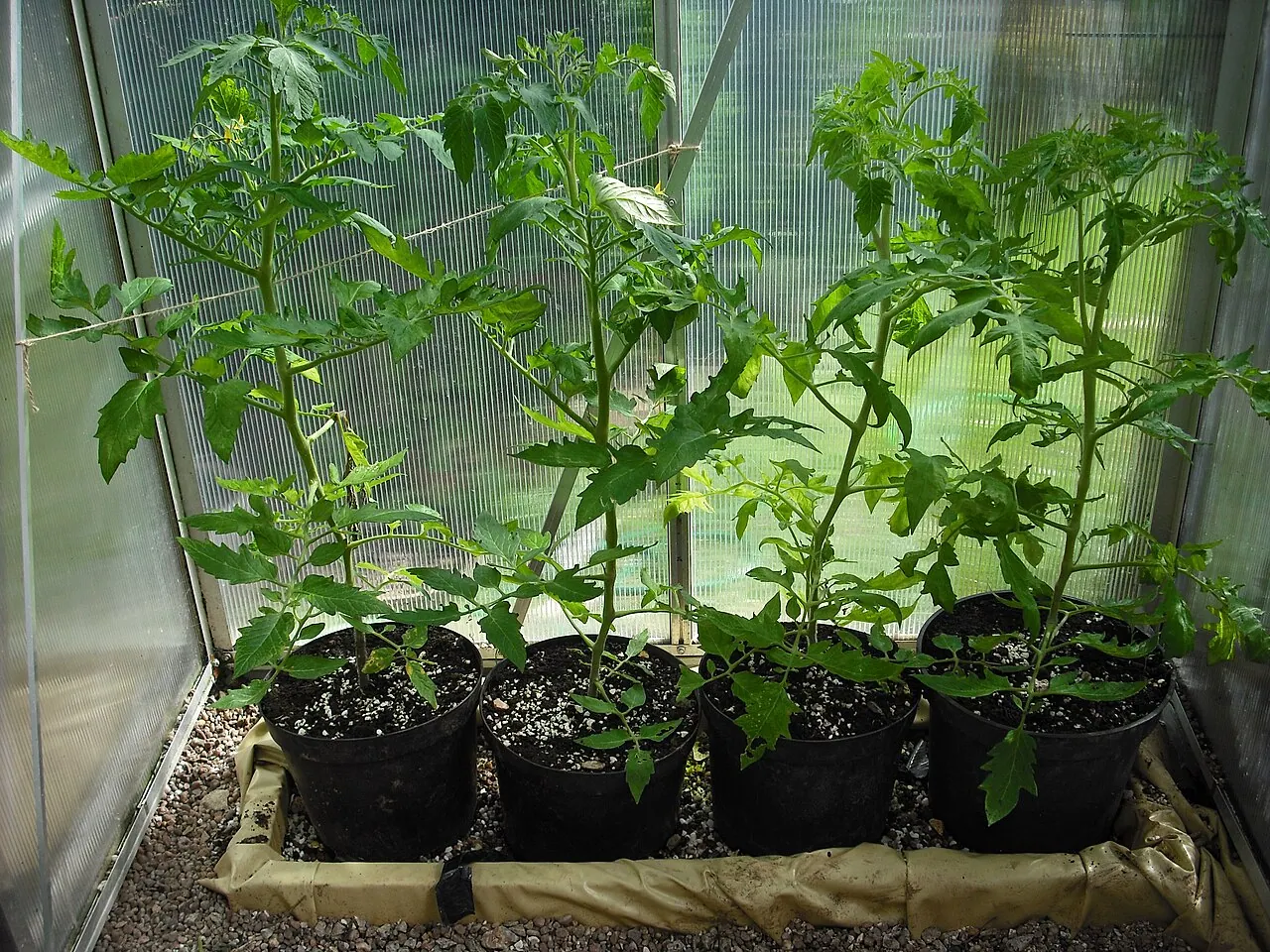

You don't need a greenhouse or a vegetable bed to grow tomatoes. A sunny, sheltered patio and a properly sized container can give you a worthwhile summer crop, particularly if you choose a compact bush variety. The things that make the biggest difference are enough root space, steady watering, regular feeding once flowers appear and the correct treatment for the type of tomato you are growing.
Tomatoes are tender plants. Wait until the risk of frost has passed before leaving them outdoors permanently, and don't expect a little pot of compost to stay moist through a hot summer without attention. Get those basics right and pot-grown tomatoes can be productive even in a small garden.
Choose the right tomato variety
Before buying seeds or a young plant, check whether it is a bush (determinate) tomato or a cordon (indeterminate) type. The distinction affects pruning, support and the height of the eventual plant.
Bush tomatoes grow into shorter, branching plants. Many small-fruited bush and trailing varieties are ideal for patio pots, troughs and hanging baskets. You generally leave their side shoots in place because those shoots are part of the plant's natural fruiting habit. Removing them as though they were cordon tomatoes can reduce your harvest.
Cordon tomatoes keep growing upwards through the season and are usually trained as a single main stem. They can produce well in large pots, but you will need a tall, sturdy cane or string support and regular removal of side shoots. In an exposed garden, a large cordon in a pot is more demanding than a compact bush variety.
Cherry tomatoes are particularly suitable for beginners because many varieties crop generously and ripen relatively quickly. The Royal Horticultural Society recommends compact cherry varieties for easy container growing. Choose a named variety suited to the space you actually have, rather than buying a plant because its photograph shows an enormous crop.
Which pot and compost should you use?
The RHS recommends one tomato plant in a pot around 30–45cm across, or two plants in a standard growing bag. For a compact patio bush tomato, 30cm is a useful minimum; a larger container gives you more compost and usually makes watering easier.
Use a container with drainage holes. A decorative pot with no exit for water is not suitable unless you put a properly drained inner pot inside it and make sure the outer one never fills with rainwater.
Fill with fresh peat-free multi-purpose or loam-based compost. You can use a compost intended for growing vegetables, but the name on the bag matters less than its ability to hold moisture while allowing the roots to breathe. Don't fill the container with dense, wet garden soil scooped from a heavy clay border.
Where you put the pot matters. Tomatoes want as much warmth and sunlight as you can give them, along with shelter from strong wind. A sunny wall can be useful, but a sheltered corner becomes a poor site if neighbouring plants or fences shade it all afternoon.
When to start tomatoes for outdoor pots
In Britain, tomato seeds are usually started indoors in late winter or spring, depending on whether the crop will grow under glass or outdoors. For an outdoor container, March or April sowing indoors is often a practical choice. Earlier sowing needs enough indoor light to prevent weak, stretched seedlings.
Sow seeds in peat-free seed compost and keep them warm enough to germinate. Once seedlings develop true leaves, move them into their own small pots and keep them in bright light. Don't plant the tiny seedlings into their permanent huge containers immediately if you cannot control watering around their small roots.
If you don't have a suitable bright indoor space, buy healthy young plants in spring. There is no disadvantage to doing that for a first attempt: it can remove several weeks of seedling care.
Before moving indoor-raised plants outside, harden them off. Put them outdoors in suitable weather for gradually longer periods and bring them under shelter if nights are cold. The RHS advises planting into final positions when conditions are reliably warm, around 16°C or above, and after the risk of frost.
Lancashire's spring temperatures can be quite different from those in a sheltered southern garden. A warm afternoon in April is not proof that the following night will be safe for tomatoes.
How to plant a tomato in its final pot
- Water the young plant first. A moist rootball is easier to remove without pulling apart delicate roots.
- Prepare the container. Check drainage, add enough compost to support the rootball and leave some room beneath the rim for watering.
- Remove the nursery pot carefully. Support the stem and rootball rather than tugging the plant upwards by its leaves.
- Plant a little deeper than before. The RHS recommends setting tomato plants so their first leaves sit just above the compost surface. The buried stem can form additional roots.
- Fill and firm gently. Make sure there are no large air gaps, but don't compact the compost into a solid block.
- Water thoroughly. Let excess water drain away, then place the pot in its sunny, sheltered position.
- Add a support where needed. A cordon will require a substantial cane or string. A bush type may need smaller supports later when its branches carry fruit.
For a tall variety, put a support in place early so you don't risk pushing a cane through the rootball after the plant has established. Leave enough room to reach the compost surface for watering and to check the lower leaves.
Watering tomatoes without splitting the fruit
Watering is the job that most often separates a good container crop from a disappointing one. A pot can dry out rapidly on a warm day, especially when a mature plant has a large canopy of leaves. Check the compost below the surface and water whenever the root area needs it.
The aim is reasonably even moisture, not a cycle of severe dryness followed by flooding. Large swings in available water can contribute to split tomatoes and blossom end rot. A deep drink that wets the whole rootball is more useful than a tiny splash that only dampens the top centimetre.
Avoid leaving the pot submerged in a saucer of water. If the compost has become very dry and water runs down the sides, apply it gradually so the centre of the rootball absorbs moisture.
On very hot days, some containers may need daily watering. Don't treat that as a universal rule: a large pot in moderate weather will behave differently from a small dark container on a south-facing paved patio. Check first, then water appropriately.
Try to direct water towards the compost rather than repeatedly splashing leaves and fruit. This makes it easier to keep the foliage dry and inspect the plant for disease.
Feeding and supporting a flowering plant
Once the first flowers appear, container tomatoes benefit from regular feeding with a high-potassium liquid tomato fertiliser, mixed and applied according to its label. The compost's initial nutrients will not last indefinitely through a long season of growth and fruiting. Adding more fertiliser than recommended will not make tomatoes ripen faster.
Check supports whenever you water. Tie cordon stems loosely to their canes as they grow, leaving room for thickening stems. If fruit-heavy branches on a bush plant are sagging, prop them up individually rather than trying to turn the entire plant into a single stem.
Look beneath the foliage for clusters of flowers and developing fruit. In the open air, visits from insects and the movement of stems in a breeze usually help with pollination. Plants grown in an enclosed greenhouse need good ventilation and suitable pollination conditions.
Should you pinch out side shoots?
Only on cordon tomatoes. A side shoot develops in the angle between the main stem and a leaf. On a cordon, check regularly and pinch out small shoots while they are easy to remove. Keep the main stem trained against its support.
Bush and trailing tomatoes follow a different growing pattern. Leave their side shoots alone, although you can remove damaged or diseased leaves and add supports as needed. Accidentally stripping bush plants to one stem is a common mistake when a gardener follows instructions for the wrong variety.
As a cordon reaches the top of its support, it may be necessary to stop its growing tip so existing fruit has more time to ripen. The RHS suggests stopping after four fruit trusses outdoors or seven indoors, leaving two leaves above the final truss. The variety and time remaining in the season also matter; don't remove a tip simply because your neighbour has done so.
Recognising common container tomato problems
Fruit splitting: Look at watering consistency, particularly after a period of dry compost followed by heavy watering or rain. Pick ripe fruits promptly and aim for steadier moisture.
A sunken, dark patch at the bottom of the tomato: This may be blossom end rot, often associated with disrupted calcium uptake because moisture has been inconsistent. Check watering before reaching for extra supplements.
Few flowers or little fruit: Review sunlight, plant variety and feeding. A plant covered with leaves may be in a position that is too shady, or it may have been given inappropriate amounts of nitrogen-rich feed.
Yellow lower leaves: Some ageing leaves naturally lose colour, but extensive yellowing calls for a closer look at roots, feeding, moisture and possible disease. Don't assume that every yellow leaf requires more water.
Brown, spreading lesions on foliage in damp weather: Tomato blight is a serious risk outdoors in Britain. Remove badly affected material as advised by RHS disease guidance and avoid spreading contaminated debris around other tomato and potato plants.
Don't rely on a universal 'miracle feed' or household remedy to fix every symptom. The right response depends on whether the problem concerns water, roots, pests, disease or normal ripening.
Picking tomatoes and finishing the season
Pick tomatoes when they have developed their mature colour and come away readily with gentle handling. Different varieties ripen red, yellow, orange or other colours, so learn the expected appearance of yours. Taste a fully ripened fruit before deciding it needs another week.
Harvest frequently during productive weather. If the plant has a heavy crop, picking ripe fruits clears space and makes the remaining trusses easier to inspect.
As autumn approaches and nights become colder, outdoor tomatoes may stop ripening efficiently. The RHS recommends bringing mature green fruit indoors to ripen where appropriate. An unheated porch or garden shed is not necessarily warm enough; check the conditions and inspect fruits for decay.
When the plant has finished cropping, clear the spent foliage and old compost responsibly. If blight or another serious disease was present, follow disease-specific disposal advice instead of putting affected material into the wrong compost heap.
Questions about growing tomatoes in pots
Can you grow two tomatoes in one pot?
Usually give each plant its own roomy pot. The RHS suggests one plant per 30–45cm container, or two in a standard growing bag. Crowding two vigorous plants into a small pot can make watering and feeding difficult.
Can you grow tomatoes without a greenhouse?
Yes. Choose a suitable outdoor variety and give it a warm, sheltered, sunny position. The crop may be later than one grown in a greenhouse, and the plants are more exposed to wind and blight.
Should you remove leaves below the tomatoes?
Remove leaves that are clearly dead, diseased or obstructing necessary airflow, using clean tools where appropriate. Don't strip away large numbers of healthy leaves simply because they are below a fruit cluster; those leaves help the plant grow.
Sources and further reading
- Royal Horticultural Society — How to grow tomatoes. Container size, watering, feeding, pruning and harvesting.
- Royal Horticultural Society — Growing tomatoes in a container. Choosing compact plants and planting patio tomatoes.