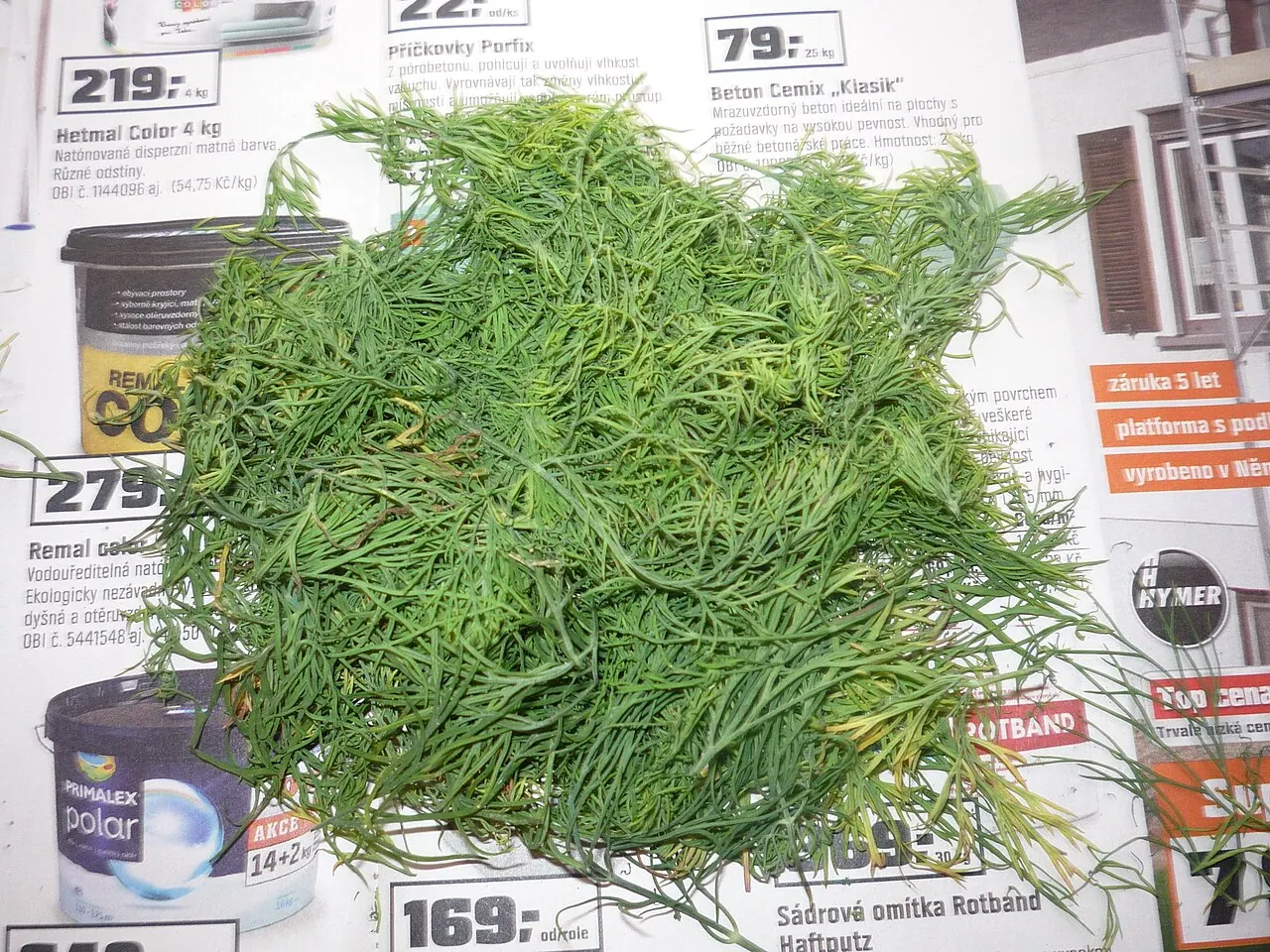

Dill has feathery foliage, a fresh aniseed-like flavour and a useful place in a small kitchen garden. It works especially well with cucumber, potatoes, eggs and fish. Unlike rosemary or mint, however, dill isn't a long-lived herb that you plant once and keep cropping year after year. In British gardens it is usually grown as an annual, from seed, and it eventually runs to flower.
That life cycle isn't a flaw. If you sow small batches across spring and early summer, you can enjoy tender leaves for months and allow selected plants to make seeds for pickles, baking and future sowings.
Find a suitable place for dill
Dill prefers a sunny position sheltered from strong winds. Taller varieties carry their leaves and flower heads on fairly slender stems, so an exposed, blustery corner is not ideal. A reasonably fertile soil that drains freely is more useful than a bed that stays waterlogged after rain.
A spare gap in a vegetable bed can be enough for a few plants. Dill also fits among other herbs, although its airy top growth can become taller than you expect. If you are growing it chiefly for leaves, consider a compact variety. For flowers and seed heads, give a taller variety adequate space and don't plant it where it will shade much smaller crops.
You can grow dill in containers, too. Choose a pot with drainage holes and sufficient depth for the roots; a wide, reasonably deep container is more forgiving than a shallow decorative dish. Fill it with peat-free multipurpose compost and position it in good light.
When to sow dill seeds in the UK
The Royal Horticultural Society recommends sowing outdoors from mid-spring, once growing conditions become suitable. Dill can produce harvestable leaves in as little as about six weeks, although cool weather or weak light can slow it down.
Sow a short row rather than scattering the whole packet. Make a shallow drill in prepared soil, water it if dry and distribute the seed thinly. Cover according to the depth stated on the packet (typically about 1cm), firm gently and label the row. A label matters: very young dill can be mistaken for weeds when the bed contains several crops.
If you are using a container, sprinkle seed thinly over the compost and cover lightly as directed. Keep it evenly moist while seedlings establish, not saturated. Once seedlings have developed, thin outdoor-sown plants to roughly 20cm apart, or follow the variety's spacing for a compact pot crop. It's tempting to keep every seedling, but crowded dill has less airflow and competes for water.
Repeat sowings every few weeks from spring into mid-summer if you want leaves over a long period. This is more dependable than making one enormous sowing and hoping it stays productive all season.
Is it better to sow dill directly or transplant it?
Direct sowing is generally the easiest approach. Dill develops a taproot and can resent root disturbance, especially when plants become large. Starting a few seeds in deep individual modules can work if outside conditions are unsuitable, but handle the roots gently and transplant while plants are still young.
If you buy a pot containing a tangle of dill seedlings, resist tearing a mature root mass apart into dozens of pieces. Water it first, separate only manageable clumps and plant them promptly. A little initial wilting may follow the move. Provide shelter and moisture while the plants settle.
For a first attempt, direct sowing into its final home avoids this complication altogether. Reserve indoor sowing for a specific reason, such as unusually cold conditions or a need to protect seedlings from early pests.
Watering and feeding without encouraging weak growth
Water young dill regularly enough to prevent the seedbed from drying hard. Established plants in garden soil may cope with short dry periods, but sustained drought can hasten flowering and reduce the period available for picking tender leaves.
Containers dry out faster. Check them by feeling the compost below its surface, then water thoroughly when needed and allow excess water to drain. A small pot in strong sun can dry surprisingly quickly. A large pot is often easier to manage because its moisture level changes less abruptly.
There's no benefit in constantly feeding dill heavily. Excessively lush growth can become soft, floppy and less manageable. Good garden soil usually supplies enough nutrition; container plants growing over a longer period may benefit from modest feeding according to the compost and feed instructions. Weed around young plants to prevent competition, and loosen no soil close to the roots once plants are established.
Harvesting dill leaves at the right time
You can begin picking once the plant has made a reasonable amount of foliage. Take a few feathery leaves or snip portions from several plants instead of cutting one small plant down to the base. Leave plenty of foliage for continued growth. The RHS suggests retaining at least one-third of the plant when harvesting.
Use scissors for neat cuts, particularly where stems are still delicate. Small, frequent harvests suit dill's growth habit better than expecting a late-season plant to provide a huge bundle of tender leaves. As a plant approaches flowering, its production of new soft foliage slows.
Freshly cut dill wilts quickly. Wash only when necessary, shake dry gently and use it soon. If you need to keep it briefly, wrap it loosely in a slightly damp cloth or kitchen paper and refrigerate. Chop it just before adding it to food so it keeps more of its fragrance.
What to do when dill flowers
Yellow flower heads are part of dill's normal development. There's no need to treat flowering as a disease. You can use the flowers in suitable dishes or leave them for pollinating insects and seed production.
If you mainly want foliage, continue making fresh sowings and harvest younger plants. Removing a flower head from a plant that has fully committed to seed production won't necessarily restore it to its earlier leafy condition. That's why successive sowing is a better plan.
For seeds, leave several healthy flowers in place until their seed heads mature and dry. The developing seeds change from green to brown. Collect them on a dry day before they drop, then finish drying them in a ventilated place away from damp. Label stored culinary seeds clearly and keep them in a sealed container once fully dry.
Save seed for sowing only from healthy, mature plants, and remember that named varieties may not reproduce exactly if different varieties have crossed. Seed collected in a damp autumn may be less reliable than commercially packed seed, so don't depend on it exclusively.
Growing dill in pots on a patio or balcony
Container dill works well if the site receives sun and isn't relentlessly windy. Start with several seeds spaced around the pot rather than making a thick carpet of seedlings. Thin until the remaining plants have good space, and avoid letting neighbouring plants overshadow them.
If the container stands on a hard surface, check water loss more often in summer. Move a lightweight pot to temporary shelter during severe wind rather than letting the stems break repeatedly. A small cane may support a tall stem, although it is usually better to choose a less exposed position from the beginning.
For kitchen convenience, position the pot near a door where you will actually remember to pick it. People often lose herbs not because growing them is complicated, but because an out-of-sight pot is forgotten through a hot week.
Common problems with dill
Tall, weak stems: Insufficient light or crowding can cause stretched growth. Give plants brighter conditions and allow sensible spacing.
Leaves wilting in a pot: Feel the compost before watering. Dry compost needs moisture, but a permanently wet root system can also produce drooping leaves.
Plants flowering very early: Dryness, heat and the plant's natural maturity can all contribute. Sow another small batch rather than relying on one plant to return to young, leafy growth.
Aphids on shoots: Inspect tips regularly and deal with small infestations promptly using methods suitable for an edible herb. Don't apply an insecticide without checking its approval and harvest restrictions.
Seedlings disappearing: Slugs and snails can damage young growth. Check at dusk and use appropriate physical protection where needed.
Dill leaves versus dill seeds
The two harvests do different jobs. Leaves are fresh, delicate and best added late to many dishes. Seeds have a stronger, warmer flavour and are used whole or crushed in pickles, breads and spice blends. A patch designed for constant leaf harvest won't necessarily make as much mature seed, because you'll be picking its shoots frequently.
A useful compromise is to designate some plants for leaves and leave a few others to flower undisturbed. With that simple division and a succession of sowings, a modest growing space can supply both.
Source
Royal Horticultural Society, How to Grow Dill.