.jpg)
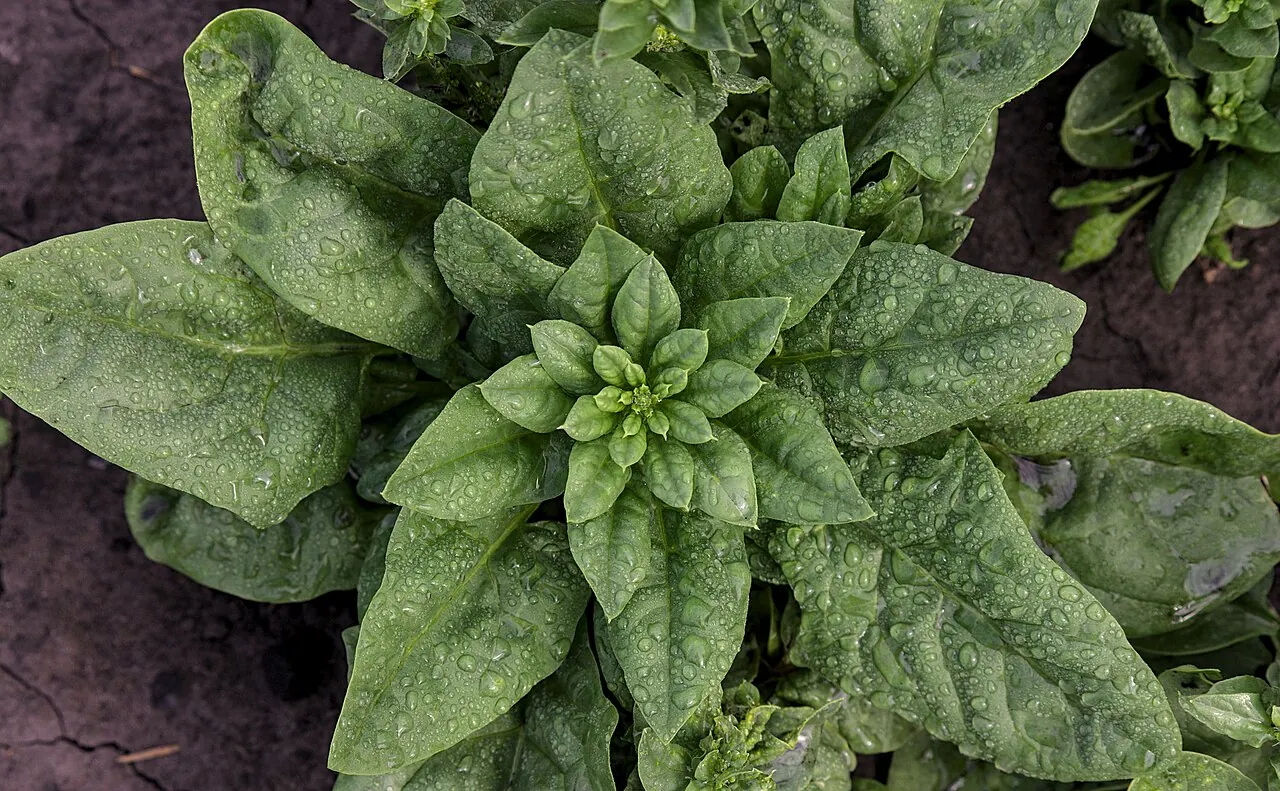
Spinach is a useful crop when you want fresh leaves quickly rather than waiting all summer for a vegetable to ripen. Sow a modest row, keep the soil moist and pick the tender leaves regularly. The main trick is to grow spinach during cooler parts of the year, because hot, dry weather can push it into flowering instead of producing the lush leaves you want.
A spring sowing gives you early pickings, while late-summer sowings can supply leaves through autumn and, with the right hardy variety and protection, into the colder months. You don't need an enormous bed. Spinach can be grown in short rows, raised beds and roomy containers.
Choose a true spinach variety
The familiar annual spinach is Spinacia oleracea. Seed packets may describe the foliage as smooth-leaved or savoy, with crinkled leaves. Some varieties have attractive red stems or have been bred for better resistance to bolting or downy mildew.
Check the packet's recommended season. A variety suitable for early spring may not perform well during hot summer weather. Others have better cold tolerance for autumn sowing and overwintering.
Be careful with similarly named plants. New Zealand spinach and perpetual spinach are different crops and have different growth habits. They can be useful vegetables, but this guide covers true annual spinach.
For a first attempt, choose a variety recommended for spring or autumn sowing and plan to use the leaves over several weeks. The Royal Horticultural Society advises making frequent small sowings rather than expecting one planting to last an entire season.
Where spinach grows best
Spinach likes fertile soil that holds moisture without becoming waterlogged. A bed improved previously with well-rotted garden compost can work well. Remove weeds and break down large soil lumps before sowing.
In cool weather, a sunny position is usually helpful. As conditions warm, a little light shade during the hottest hours can prevent excessive stress. Deep shade, however, may produce thin, stretched plants that take much longer to give a useful harvest.
Think about the crops growing nearby. Spinach can occupy a gap between larger plants early in the season, provided it gets adequate light and has room for its roots. Later, taller crops may provide a little welcome shade.
The crop grows quickly, so choose somewhere you can reach easily for watering and repeated picking. A narrow, well-managed bed is more useful than a large sowing you cannot inspect regularly.
When to sow spinach in Britain
The RHS recommends mid- to late spring sowings for summer harvests, and another window in late summer to early autumn for autumn or early spring cropping with suitable varieties.
Spinach germinates best in cooler conditions. An exceptionally hot, dry spell is not an ideal time to sow; the seed may germinate poorly, and young plants may bolt.
Sowing too early into severe cold can also cause problems, especially if a spring variety is exposed to stress. For an early crop, use appropriate fleece or a cloche to make conditions more stable.
The exact dates vary with local climate. A mild coastal garden may suit a different schedule from an exposed allotment in Lancashire. Use the soil conditions and the packet's advice rather than assuming one national date fits every situation.
How to sow spinach directly outdoors
Direct sowing is usually the simplest method because spinach doesn't particularly enjoy root disturbance. It can bolt after being transplanted roughly, so only raise plants indoors if there is a good reason.
- Prepare the row. Remove weeds, rake the soil to a fine surface and water if it is very dry.
- Make a shallow drill. Follow the sowing depth on the seed packet, usually around 2–3cm for true spinach.
- Sow the seeds individually where possible. Avoid dropping them in large clusters that will become crowded.
- Cover with fine soil and settle the surface gently without making a hard crust.
- Water as necessary so the seedbed remains evenly moist while seedlings establish.
- Label the row, including the date and variety, so you can work out when the next sowing will be useful.
- Thin the seedlings once they are large enough to handle. Give them the spacing recommended for the variety and whether you want baby leaves or mature plants.
Small sowings every couple of weeks can help you keep fresh spinach available without one huge harvest that you struggle to use.
Starting spinach in modules
If you need an early crop or your ground is very wet, sowing into individual modules can be useful. Fill a modular tray with moist peat-free compost and place seed separately in the cells.
Once seedlings are growing strongly, move them into their prepared outdoor positions with as little root disturbance as possible. Don't allow them to become pot-bound, and harden off indoor-raised seedlings before planting them outdoors.
The RHS notes that transplanting can encourage bolting, so don't assume modules are automatically the better method. They're a workaround for difficult soil or weather, not a requirement for every sowing.
Water newly transplanted spinach carefully while it settles. Plants that wilt badly after moving may need temporary shelter and more attentive moisture management.
Growing spinach in a pot
A broad, well-drained container of peat-free multipurpose compost can provide a useful supply of young leaves. You don't need a tall planter for an enormous plant, but you do need enough compost that roots can develop and moisture doesn't vanish within an hour of sunshine.
Sow thinly into moist compost and gradually thin the plants so they have enough room. For baby-leaf harvesting, you can grow plants more closely than you would for large mature leaves.
Put the pot somewhere bright but protected from intense summer heat. The advantage of a container is that you can move it into a cooler position when the weather changes.
Check moisture often. A container that dries out repeatedly may cause the plants to bolt, even if the same variety performs well in a garden bed nearby. At the same time, don't allow the roots to sit in stagnant water.
Watering and routine care
Spinach grows best with steady moisture. Check the soil below the surface and water during dry spells rather than leaving plants to struggle until they collapse.
Keep weeds out while the plants are small. Vigorous weeds compete for both moisture and space, and a dense patch can also reduce air circulation around the leaves.
In a reasonably fertile bed, spinach often needs little intervention beyond water, weeding and picking. Where soil is particularly poor, follow established vegetable feeding guidance rather than applying a random concentrated fertiliser.
Keep the foliage clean enough to inspect. Watch for slugs and snails around young plants, especially during damp spring weather. Birds may also damage seedlings, so use suitable protection where problems occur.
How to harvest spinach
Once plants have a decent set of leaves, begin picking the largest healthy ones from the outside. Leave enough central foliage for further growth. Picking a modest amount from several plants often provides a steadier supply than stripping one plant completely.
Baby leaves are useful in salads, while mature leaves suit cooking. Spinach shrinks considerably when heated, so a generous handful of leaves may produce a surprisingly small cooked serving.
For a cut-and-come-again harvest, use clean scissors to remove suitable foliage while protecting the growing points. How many repeat pickings you get depends on variety, weather and whether the plants are beginning to bolt.
Check the crop frequently as temperatures rise. Tender leaves are best harvested while they remain in good condition, before the plant switches its energy into producing a tall flower stem.
What to do when spinach bolts
Bolting means the plant has started forming a flower stalk, often in response to stress, warmth or seasonal changes. The leaves may become bitter and the useful leafy harvest usually declines.
Once a plant has clearly bolted, removing the flower stem rarely returns it to being a productive young spinach plant. The RHS recommends clearing affected plants and sowing a fresh crop at a more suitable time.
To reduce bolting, avoid sowing at the hottest time of year, keep the soil reasonably moist and choose varieties appropriate for the season. Some are specifically sold for better bolt resistance.
Repeated small sowings are your insurance. One batch can be ending just as another group of young plants becomes ready to pick.
Growing spinach through autumn and winter
For a later crop, choose a hardy variety intended for autumn sowing. In colder parts of Britain, protect the plants with horticultural fleece or cloches as conditions worsen.
An unheated greenhouse or cold frame can be useful, but ventilation still matters. Leaves crowded in stagnant, damp air may be more susceptible to disease.
Don't expect winter plants to grow at the pace of those in mild spring weather. Low light and cold temperatures slow their development, so pick more carefully and avoid stripping small plants.
As days lengthen in spring, healthy overwintered spinach may put on fresh growth before beginning its flowering cycle. Make another spring sowing so the harvest continues as the older plants finish.
Common spinach problems
Leaves turn bitter and a tall shoot appears: The plant is bolting. Clear it and make another sowing during cooler weather.
Young leaves are badly holed: Check for slugs and snails, especially around damp soil and pot edges.
Pale or spotted foliage: Inspect for disease and unsuitable conditions. Downy mildew can become a problem where leaves stay humid and overcrowded.
Plants collapse after transplanting: Root disturbance and rapid changes in conditions may have stressed them. Direct-sow the next batch if possible.
Leaves wilt even though the soil is wet: Check root health and drainage rather than watering again automatically.
Frequently asked questions
Is spinach easy to grow in the UK?
Yes, especially in spring and autumn. It grows quickly, but hot, dry weather can make it bolt, so sow at suitable times.
Can you harvest spinach more than once?
Usually. Pick a selection of outer leaves and leave the central growth to develop, or use a suitable cut-and-come-again method.
Does spinach grow all winter?
Hardy varieties can provide leaves during winter with suitable protection, although growth slows in cold, dark weather.
Sources and further reading
- Royal Horticultural Society — How to grow spinach. Sowing seasons, moisture, containers, bolting and harvest.