_Blumeng%C3%A4rten_Hirschstetten_Wien_2014_c.jpg)
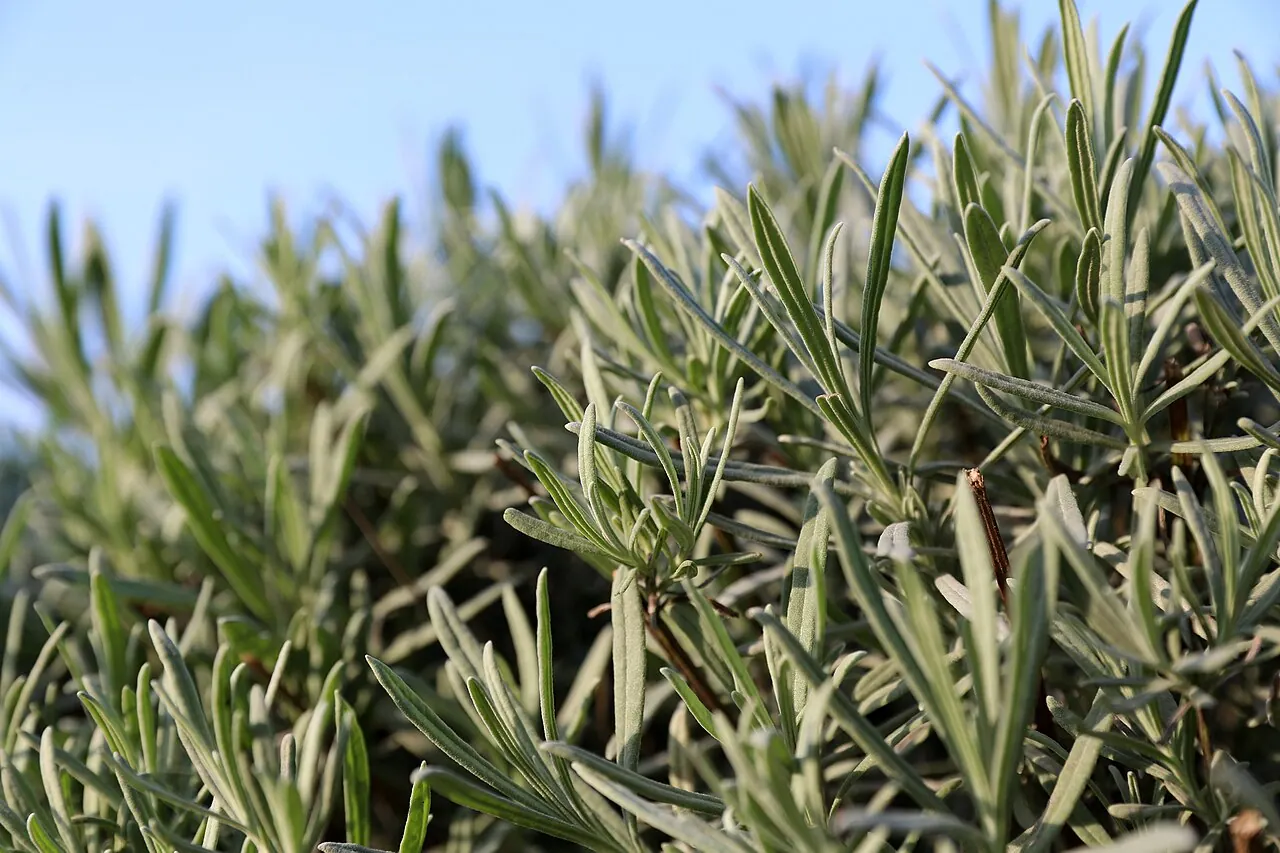
Prune established lavender lightly and regularly while there is still green leafy growth on the stems. For most English lavender plants, tidy the spent flowers after flowering and shape the leafy growth into a rounded mound, but don't cut down into old, leafless wood. The timing matters: in a mild, dry garden you may trim after summer flowering, while gardeners in colder or wetter parts of Britain should avoid a hard autumn cut and follow the variety's spring guidance.
Lavender does not recover from severe pruning in the same reliable way as a vigorous hedge plant. A neat, modest trim each year is usually more successful than ignoring it for years and then trying to cut the whole shrub back to a stump.
Identify the lavender you have
The name on the plant label is useful. English lavender (Lavandula angustifolia) is a familiar hardy garden plant with narrow grey-green leaves and summer flowers. Dutch or hybrid lavenders (Lavandula × intermedia) often grow larger and produce longer flower stems. French lavender (Lavandula dentata) and other less hardy types need a little more attention to local climate and winter shelter.
All are woody, evergreen shrubs, but they do not always grow or flower on precisely the same timetable. A small English lavender at the front of a dry border may need only a light annual haircut. An older, broad hybrid beside a path might need careful shaping in stages. A less hardy container-grown plant in an exposed Lancashire garden may be better tidied in spring rather than trimmed late in autumn.
If you don't know the variety, avoid making a severe cut. Look at its recent green shoots and the base of the plant. Use the green growth as your guide and begin conservatively.
When to prune lavender in Britain
For ordinary English lavender, removing spent flower stalks after the main flush of blooms is a sensible annual routine. A late-summer trim helps maintain a compact shape and reduces the tendency for the plant to become leggy.
There is an important regional exception. The Royal Horticultural Society advises against autumn pruning in cold or wet regions, because fresh or recently cut growth can be vulnerable to winter damage. In those areas, you can deadhead lightly, leave much of the foliage over winter, and make a careful shaping trim when growing conditions improve.
The RHS groups lavender with other evergreen shrubs that generally benefit from attention in spring or after flowering. Some types and situations call for a spring trim rather than the same date you used last year. Check the label and local conditions instead of following a universal calendar rule.
Don't rush outdoors to prune during a sharp frost, a spell of prolonged rain or when the plant is already looking stressed. You're trying to retain an attractive shrub with plenty of healthy growth, not force it to recover from damage at the worst part of the year.
What you need before starting
You usually need a pair of clean, sharp secateurs for individual stems, or suitable hand shears for lightly trimming a larger mound. A container for the cuttings makes it easier to see what you are removing as you work.
Stand back and look at the plant before taking the first cut. Identify the dome of leafy growth beneath the spent flower spikes. Then look for any brittle grey-brown branches emerging from its centre. That older framework is different from the soft, leafy tips you can safely shorten.
If you're pruning a row of lavender as an edging, inspect individual plants rather than shearing the whole row to exactly the same height regardless of their health. One plant may be vigorous and leafy while its neighbour has bare stems close to the intended cutting line.
How to prune a healthy lavender plant
- Check that the flowering flush has finished. Bees may still be working later flower spikes, so wait or leave flowering shoots that you want wildlife to use.
- Remove spent flower stems. Follow each stem down towards the leafy mound and snip the old flower head and stalk away.
- Find the green growth below. Look for healthy leaves on the stems you plan to shorten. Don't guess where new shoots might emerge from a completely bare, hard branch.
- Shape the plant lightly. Shorten the ends of the leafy shoots, working gradually to keep a rounded, open shape. Take less than you think on the first pass; you can always make another small trim.
- Check the finished outline. Step back, look from several sides and correct any obviously protruding leafy stems without cutting into the woody centre.
- Clear up the cuttings. Remove dead or unhealthy debris from around the base, but avoid damaging the remaining shoots or covering the plant's crown with wet material.
Don't turn this into a rigid rule about a precise fraction of every stem. Different lavender varieties and individual plants carry different depths of green growth. The useful boundary is where healthy leaves stop and old bare wood begins.
Why cutting into old wood is risky
Lavender develops a woody framework as it ages. Young, leafy shoots grow from that framework, but thick old stems with no visible foliage may not produce vigorous replacements when cut back hard. This is why a straggly ten-year-old plant cannot always be turned into a compact young shrub with one severe haircut.
Take a close look at the length of bare stem below the leaves. Where leafy shoots grow all the way down near the centre, you have flexibility for careful shaping. Where most of the plant is bare, woody and topped by only a few tufts of leaves, the choices are more limited.
Avoid the common mistake of trimming a large lavender until it fits an exact space at any cost. If doing so requires removing every green leaf on a branch, the cut may leave a dead-looking stub. It is better to keep some live growth and accept a slightly larger shape while deciding whether the plant is worth replacing.
What to do with an old, leggy lavender
First decide whether the plant is merely untidy or genuinely deteriorating. A tall lavender with healthy green shoots at the ends may still give a pleasant flower display. An old shrub with a split base, widespread dead stems and very little foliage may have reached the point where replacement is more reliable than pruning.
For a reasonably healthy plant, remove spent flower stalks and shorten only the leafy sections you can safely reach. You can also remove a dead, detached branch where it meets the rest of the plant. Don't assume every bare-looking branch is dead: scratch or inspect a small section carefully if you are uncertain, and avoid stripping living bark merely to test it.
If the shrub remains far too large for the space, consider starting again with a younger plant. The RHS notes that small evergreen shrubs such as lavender can have a relatively limited garden lifespan, and annual pruning helps prolong it. Taking cuttings from healthy, suitable growth may allow you to keep the same variety rather than buying a replacement.
A row of overgrown lavender is especially tempting to shear flat, but that can leave an unattractive hedge of bare sticks. Review each plant's condition first. Replanting one failed section may look better within a couple of seasons than carrying out the same destructive cut across an entire row.
Pruning lavender in a pot
Container plants often need the same shaping principle, but their growing conditions can be different. A pot may dry out rapidly in summer or stay unpleasantly wet during a British winter. Either problem can weaken the plant and make recovery from pruning harder.
Move the pot where you can see all sides and remove the spent flower stems with secateurs. Trim leafy shoots lightly, retaining the rounded shape. If the plant is flowering beautifully but starting to lean in one direction, rotate the container periodically so both sides have access to light, rather than cutting one side dramatically shorter.
Check the drainage holes and compost condition before blaming every problem on missed pruning. Lavender prefers excellent drainage and an open, sunny position. A plant that is declining because of waterlogging is unlikely to improve simply because its top growth has been cut away.
In colder or wetter places, think about the plant's winter position before carrying out a late trim. A sheltered site and avoidance of prolonged winter wet may matter more than squeezing in one final cut.
Should you leave some flowers for wildlife?
Lavender attracts visiting insects when in bloom, and leaving late flower spikes can extend the period when they have something to visit. You do not have to remove every flower the moment its first petals begin to fade.
If your priority is a tidy path edging, you may prefer to deadhead once the main flowering period finishes. If a border is being maintained for wildlife, you can leave more flowers and accept a less manicured appearance for a while. The RHS explicitly recognises the option of leaving plants untrimmed for a season where seeds and shelter benefit wildlife.
The trade-off is between appearance, flowering stems and shaping the plant. You can make that choice deliberately without forcing a single maintenance schedule onto every lavender in the garden.
Mistakes that spoil a lavender plant
Pruning too late in a wet autumn: A fresh cut can leave a plant exposed to damage as cold, damp conditions set in. In colder and wetter areas, postpone more substantial shaping until the appropriate spring period.
Cutting away every leaf: Bare old stems may fail to produce replacements. Work within healthy leafy growth, especially when the shrub is old.
Shearing the flowers but not shaping the foliage: The remaining plant may continue to stretch upwards and become bare at its base. Where the plant is healthy and the timing suits, lightly shape the green foliage as well as removing flower stems.
Assuming pruning cures poor drainage: Lavender may decline in persistently wet soil even when it has been trimmed carefully. Check growing conditions instead of cutting harder.
Using blunt tools: Crushed or ragged stem ends make the job less tidy. Clean, sharp secateurs help you choose and make smaller, controlled cuts.
Common questions
Can I prune lavender in October?
In a mild, sheltered area you may get away with a late tidy, but it is not the safest general recommendation for colder or wetter UK gardens. The RHS advises avoiding autumn pruning in those regions. A light removal of spent flower stalks is different from cutting deeply into leafy shoots.
Will lavender grow back if I cut it to the ground?
Do not rely on it. Lavender commonly struggles to regenerate from bare, older wood. A severely woody plant is often better replaced than reduced to a leafless stump.
Is English lavender pruned differently from French lavender?
Both benefit from suitable deadheading and careful shaping, but their hardiness and the safest timing can differ. Identify the variety and follow its specific RHS guidance rather than assuming every plant sold as lavender tolerates the same cut.
Sources and further reading
- Royal Horticultural Society — English lavender (Lavandula angustifolia). Pruning group, deadheading, timing and old-wood warnings.
- Royal Horticultural Society — Pruning evergreen shrubs. Annual shaping and when to prune shrubs such as lavender.
- Royal Horticultural Society — Pruning groups. Group 10 guidance and differences among evergreen shrubs.