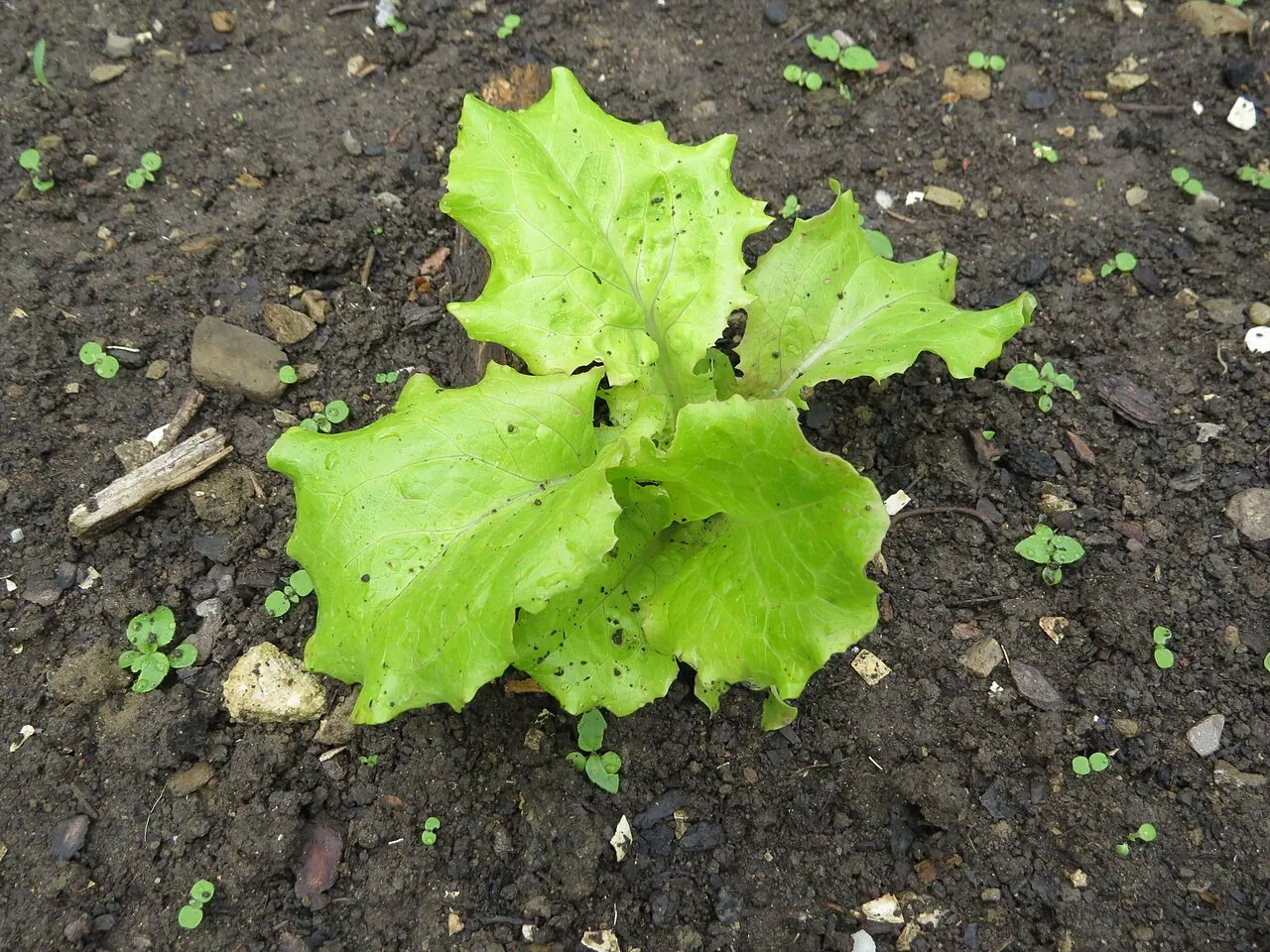
_Lactuca_sativa_(garden_lettuce)_Nature_at_Bichlh%C3%A4usl_in_Frankenfels,_Austria.jpg)
Lettuce is one of the most useful vegetables for a small garden because it doesn't need much room and you can grow it in pots, raised beds or a short row between larger crops. The most effective method is to sow a small amount every couple of weeks, keep the soil moist and harvest while the leaves are tender. There is little point raising twenty mature lettuces together if your household will only eat two before the rest run to seed.
You can grow loose-leaf lettuce for repeated picking or hearting varieties that form a full head. Choose according to how you use salad leaves, then adjust the sowing time and spacing to suit the type.
Loose-leaf lettuce or a full head?
Loose-leaf lettuce produces individual leaves that can be harvested as they reach a useful size. You can pick a few from several plants and leave the central growing points intact, allowing further growth. These varieties work particularly well for a couple of people who want fresh salad several times a week.
Hearting lettuce, such as many cos, butterhead and crisphead types, grows towards a more substantial head. You usually harvest the whole plant when it reaches its best condition. These need enough space to develop properly; overcrowding often prevents good hearts from forming.
Packets may say 'cut and come again', but that doesn't mean a lettuce lasts indefinitely. The plant eventually ages, grows less vigorously or starts flowering. Regular replacement sowings are what keep a supply going for an entire season.
Choose a few types you genuinely enjoy. A mixture of green and red leaves makes an attractive container, but each variety still needs the right space and water.
Where lettuce grows best
Lettuce prefers reasonably fertile, moisture-retentive soil and good light. In spring, a sunny bed works well. In the hottest part of summer, some afternoon shade can be helpful, because high temperatures and drought encourage bolting, when the plant forms a flower stalk and the leaves often become bitter.
The Royal Horticultural Society recommends preparing ground with organic matter to help retain moisture. A well-maintained no-dig bed is also suitable. Remove vigorous weeds so tiny lettuce seedlings aren't competing for light and water from the outset.
If your vegetable patch is small, think about succession rather than allocating a large permanent lettuce section. Lettuce can be grown in gaps that will later be taken over by larger crops, provided it still gets sufficient light while growing.
A shady site isn't automatically better in summer. Deep shade beneath mature shrubs can lead to weak growth. Aim for a balance: useful light with protection from intense heat when conditions demand it.
When to sow lettuce in the UK
The RHS recommends outdoor sowings from late March to late July for summer and autumn harvesting, with suitable protected sowings at other times. You can start even earlier indoors if you have a bright place for seedlings.
Late-season lettuces need different attention. Some varieties can be sown in August for early winter crops, while specially selected winter varieties can be raised under cover for spring harvests. Don't assume a lettuce that performs well in June will be equally productive outdoors through December.
During a hot spell, seeds of some lettuce varieties may germinate poorly. Sow in the cooler part of the day, keep the seedbed evenly moist and use a little light shade where appropriate.
For a household crop, a short row every fortnight is a more manageable plan than sowing a whole packet once in spring. Note the sowing dates so you know which batch should be ready next.
How to sow lettuce directly outdoors
- Prepare the surface. Remove weeds and large stones, then rake a fine seedbed.
- Make a shallow row. The RHS recommends sowing roughly 1cm deep, with rows about 30cm apart.
- Water the drill if needed before scattering seeds so they settle into moist soil.
- Sow thinly. A pinch of tiny seed can produce many seedlings; avoid creating thick clumps that will be difficult to separate.
- Cover lightly and label. Mark the variety and date for later comparison.
- Keep moisture steady. The upper layer should not dry into a hard crust while the seeds germinate.
- Thin seedlings as they grow. Give plants roughly 15–30cm of space, according to variety and whether they are loose-leaf or hearting types.
For hearting lettuces, spacing matters because the plants need to form substantial heads. With loose-leaf types, you can often begin harvesting smaller plants while giving the remainder more room.
Early sowings may benefit from a cloche or horticultural fleece in cold weather. Remove or adjust covers when conditions warm and the plants need more space.
Starting lettuce indoors
Sowing in module trays can protect the smallest seedlings from cold conditions and make it easier to establish a consistent row. Fill the cells with moist peat-free seed compost, sow thinly and keep the tray in bright conditions.
Once seedlings have developed proper leaves and have enough root growth to handle, move them into individual cells or pots if necessary. Avoid allowing a mass of roots to become tangled before separating them.
Harden off indoor-raised plants before transplanting outdoors. Give them gradually increasing periods outside in suitable weather instead of putting tender seedlings straight into cold winds.
Set transplants into their final positions at approximately the same depth as before. Firm the surrounding soil gently, water thoroughly and watch for slug damage during the first few nights.
Growing lettuce in containers
A wide pot or trough is ideal for loose-leaf lettuce on a patio. The RHS recommends a container at least 30cm wide, filled with peat-free multi-purpose compost. It should have drainage holes and enough depth that plants can develop healthy roots.
Sow directly into moist compost or plant established plugs. Thin the young plants to the spacing on their seed packet. You can grow lettuce close enough for a temporary baby-leaf crop, but plants intended to form heads need considerably more room.
Pots dry more quickly than open ground. Check beneath the top layer of compost on sunny days, especially when several plants are sharing the same container. Don't keep the pot standing in deep water, but don't allow it to become bone dry either.
A container can be moved out of fierce afternoon sun during a hot period, which is one advantage over a fixed bed. Keep it somewhere bright and accessible, so you actually remember to harvest regularly.
Watering, pests and bolting
Lettuce has tender leaves and dislikes prolonged dry conditions. Water steadily during dry weather, concentrating on the soil rather than drenching the foliage unnecessarily. Plants in small pots usually need more frequent checks.
Slugs and snails are common problems, particularly when the plants are young. Inspect around seedlings and beneath pot rims. Protect early sowings from birds where needed, and make sure any fleece or mesh doesn't crush developing leaves.
Aphids may gather on soft new growth. Inspect the undersides of leaves rather than relying on a quick glance at the top. Remove badly damaged or diseased material and wash harvested leaves carefully.
Bolting is the plant switching to flowering and seed production. A lettuce with a lengthening central stalk and increasingly bitter leaves is unlikely to become a tender head again. Remove it and sow another batch at a more suitable time. Some varieties tolerate warmer weather better than others, so read the packet descriptions if this happens repeatedly.
How and when to harvest
Loose-leaf lettuce may be ready for its first picking around four to six weeks after sowing in suitable conditions. Choose tender leaves roughly 10cm long and remove a few from each plant, leaving healthy central growth behind.
You can also harvest most of the top growth while leaving a short stem, encouraging a smaller follow-up crop. The results depend on weather and plant vigour, so maintain replacement sowings rather than expecting one plant to produce forever.
Hearting lettuce often takes around 10–14 weeks to mature, according to RHS guidance. Harvest when it has formed a useful head, before it begins bolting. Cut through the stem and use the lettuce while it is crisp and fresh.
Harvesting early in the morning can help leaves stay firm, especially in hot weather. Rinse off soil and inspect the leaves for insects before preparing salad. Don't leave picked lettuce wilting in direct sun while you finish other jobs.
Growing lettuce into autumn and winter
Winter lettuce is possible, but it requires a variety bred for cooler conditions and often some form of protection. A greenhouse, cold frame or cloche can extend the season, although growth slows substantially in low temperatures and weak winter light.
The RHS recommends specific winter varieties such as 'Winter Density' for protected autumn sowings. Plant or sow with enough space that leaves stay reasonably ventilated beneath covers.
An unheated greenhouse isn't permanently warm, so inspect plants for dampness and mildew, and ventilate when weather allows. Avoid overwatering cold compost where growth has almost stopped.
If you're new to lettuce, establish a reliable spring and summer routine first. Then expand into autumn sowings once you know which protected spaces you have available.
Why lettuce crops sometimes disappoint
Seedlings never appear: Check seed age, sowing depth, moisture and unusually high temperatures. Lettuce germination can be poor when the seedbed is too hot.
Plants form small leaves but no heart: You may have crowded a hearting variety, planted into very poor soil or allowed it to become dry. Check the variety's spacing requirements.
A tall central stem forms: The plant is bolting, often encouraged by heat or stress. Remove it and try a fresh sowing in cooler conditions.
Leaves are badly holed: Inspect for slugs and snails, particularly overnight. One damaged leaf doesn't mean the entire crop needs discarding, but extensive damage can stall a young plant.
Leaves wilt by lunchtime: Check moisture, root health and sun exposure before applying fertiliser. A tiny dark pot on hot paving may be drying too rapidly.
Questions about growing lettuce
Can lettuce regrow after you cut it?
Many loose-leaf varieties can supply repeated pickings, and some hearting lettuces produce smaller regrowth from a cut stump. The result isn't unlimited; regular new sowings are still needed.
Is lettuce better in sun or shade?
In cooler weather, good sunshine is helpful. During hot summer weather, some light shade can reduce stress and premature flowering.
How often should I sow lettuce?
For a steady home supply, a short sowing every two weeks is a sensible starting point. Adjust according to how much salad you use and how quickly plants mature.
Sources and further reading
- Royal Horticultural Society — How to grow lettuce. Sowing dates, spacing, summer care, winter varieties and harvesting.